
Our Blog

What can I expect during my implant procedure?

December 15th, 2015

Dental implants are a surgical procedure done by Dr. Carl Meyers right here at our West Bend, WI office. Screw-like parts made of titanium are inserted into your jaw bone and act as the root of your tooth. An artificial tooth will be placed on top of the screw, usually made out of ceramic or layered porcelain. The dental implant will look and feel just like the natural tooth you lost.

How much time will the dental implant surgery take?

There are numerous factors that determine the length of time for the dental implant procedure:

  • If you’re having one tooth replaced or several
  • The teeth that are being replaced
  • If you need a tooth or teeth extracted before the implant placement
  • The amount of time it takes for your IV to be placed
  • Any last minute questions or concerns you may need addressed

All of the above factors will also govern the amount of visits to our West Bend, WI office you will need to make throughout your dental implant treatment period. For example, a single tooth dental implant surgery typically takes one to two hours from the time you arrive until you awaken from the anesthesia. This also includes the amount of time it takes to put on your gown, hair cap, and other surgical dressing preparations before you are able to enter the sterile surgical environment.

Does getting an implant hurt?

With nearly any surgical procedure, you will feel some sort of discomfort. Whether it is the insertion of the IV for the anesthesia, or discomfort you may feel after the surgery. However, most patients report that their pain was tolerable after their dental implant surgery. In fact, the majority of patients said the discomfort was a lot less than they expected. Dr. Carl Meyers will prescribe pain medications to help with any discomfort you may experience once you get home.

How will I feel after the dental implant treatment?

It is normal to have some bruising and swelling in the soft tissue and gum area. Usually the pain or discomfort does not require the use of anything more than an over-the-counter pain medication such as Tylenol or ibuprofen. In addition, you will have the prescription for a stronger pain medication if you need it. You should be able to work the following day.

Four Tips for Soothing a Toothache

December 8th, 2015

Whether it’s a dull and throbbing ache or a sharp pain, toothaches can come in many different forms. Chances are you’ve had the discomforting experience once or twice in your life. It’s the type of experience that nobody wants to have, because a toothache can be as annoying as fingernails scratching a chalkboard.

What’s a good way to describe a toothache? Let’s see … your mouth feels as if it’s being besieged by one of those Loony Tunes-style jackhammers. As fate would have it, toothaches always seem to occur over the weekend or after-office hours, leaving you to suffer and forcing you to cancel your reservation at that high-end restaurant you’ve been anticipating all week.

Not so fast!

While you’re probably going to want to skip the rib-eye steak, there are numerous tried-and-true home remedies you can use to ease the pain until you can make an appointment with our office. Here’s a look at four ways to soothe a toothache.

  1. Don’t underestimate the power of salt water. Rinsing your mouth with warm salt water will both soothe your toothache and disinfect your mouth. However, make sure the water is warm; cold water can further exacerbate a sensitive tooth. Follow up the saltwater rinse by swishing your mouth with hydrogen peroxide.
  2. Clove oil, eucalyptus oil, peppermint oil, and vanilla extract are proven to be comforting elixirs. Dip a cotton swab in one of these mixtures and apply it to your tooth and gums. These substances, which you may even have in your kitchen cupboards, are known to have pain-relieving qualities. For the best results, repeat the application throughout the day.
  3. Eating yogurt is good for toothaches and mouth pain. Yogurt is filled with healthy bacteria that combat pain. Afterward, place a cold compress on your jaw.
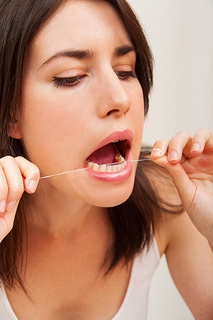
  4. Try flossing. Your toothache might be throbbing and severe, but there’s always a chance the pain is caused by a piece of food awkwardly lodged in your teeth.

We hope that helps! Give Pioneer Dental a call to learn more!

What is gum recession?

December 1st, 2015

Gum (gingival) recession occurs when gums recede from the tops of the teeth enough to expose sensitive roots. People typically experience increased sensitivity to sugary or cold foods when gums no longer cover and protect teeth roots. In addition, untreated gum recession may lead to loosening of teeth and accelerated tooth decay, something Dr. Carl Meyers see all too often.

Causes of Gum Recession

  • Periodontal disease – a serious oral disease arising from poor oral habits
  • Gingivitis – gum disease characterized by bleeding and swollen gums
  • Aging
  • Overly aggressive brushing and/or flossing – brushing hard in a scrubbing fashion will erode gum tissue at the roots of teeth
  • Genetic predisposition to gingival recession – having inherited thin, insufficient gum tissue facilitates gum recession
  • Bruxism – a condition where someone regularly grinds their teeth, usually during sleep
  • Chewing tobacco/smoking – promotes chronically dry mouth and reduced gum health

Periodontal gingivitis may also cause causing drooping of the gums instead of gum recession. A gingivectomy removes excess gum tissue weakened by bacterial decay while a gingivoplasty can reshape gums around the teeth. If sagging or receding gums are left untreated, they may develop pockets (gaps) that provide hiding places for food particles, mucus and other mouth debris conducive to anaerobic bacteria growth. As the most destructive type of oral bacteria, anaerobic bacteria is responsible for tooth decay, cavities, gum disease, and chronic halitosis.

Treatments for Gum Recession

Corrective actions need implemented as soon as possible to reverse gum recession by addressing the cause. For example, people who brush with hard-bristled toothbrushes should switch to a soft-bristled toothbrush and brush more gently. If gum recession is the result of poor oral hygiene, improve oral hygiene habits by brushing after meals, flossing, rinsing with non-alcoholic mouthwash, and getting dental checkups and cleanings every six months. For severe cases of gum recession, soft tissue grafts can add gum tissue to exposed roots by removing tissue from the person's palate and attaching it to existing gums at the area of recession via laser surgery.

If you’re worried about gum recession, visit our West Bend, WI office and talk to a member of our team.

Thanksgiving Trivia

November 24th, 2015

At Pioneer Dental we love learning trivia and interesting facts about Thanksgiving! This year, Dr. Carl Meyers wanted to share some trivia that might help you feel a bit smarter at the holiday dinner table and help create some great conversation with friends and family.

The Turkey

There is no historical evidence that turkey was eaten at the first Thanksgiving dinner. It was a three-day party shared by the Wamponoag Indians and the pilgrims in 1621. Historians say they likely ate venison and seafood.

According to National Geographic, the dinner at the Plymouth colony was in October and included about 50 English colonists and 90 American Indian men. The first Thanksgiving dinner could have included corn, geese, and pumpkin.

Today, turkey is the meat of choice. According to the National Turkey Association, about 690 million pounds of turkey are consumed during Thanksgiving, or about 46 million turkeys.

The Side Dishes

The green bean casserole became popular about 50 years ago. Created by the Campbell Soup Company, it remains a popular side dish. According to Campbell’s, it was developed when the company was creating an annual holiday cookbook. The company now sells about $20 million worth of cream of mushroom soup each year, which is a major part of the recipe.

While there were likely plenty of cranberries for the pilgrims and Indians to enjoy, sugar was a luxury. What we know today as cranberry sauce was not around in those early Thanksgiving days. About 750 million pounds of cranberries are produced each year in the US, with about 30 percent consumed on Thanksgiving.

The Parade

Since Thanksgiving did not become a national holiday until Lincoln declared it in 1863, the annual parades were not yearly events until much later. The biggest parade that continues to draw crowds is the Macy's Thanksgiving Day Parade. Beginning in 1924 with about 400 employees, they marched from Convent Avenue to 145th Street in New York City. Famous for the huge hot-air balloons today, it was actually live animals borrowed from the Central Park Zoo that were the stars of the show then.

However you choose to spend your Thanksgiving holiday, we wish you a safe, happy and healthy holiday with those you love.

docsAmerican Dental AssociationInvisalign

Services