
Our Blog

What is hand-foot-and-mouth disease?

October 20th, 2015

Hand-foot-and-mouth disease, or HFMD, is a type of contagious viral illness that causes a rash in the mouth and on the hands and feet of infants and young children, and, while rare, adults. Characterized by sores in the mouth and a rash on the hands and feet, hand-foot-and-mouth disease is most commonly caused by a coxsackievirus, a bacterium that lives in the human digestive tract. HFMD can spread from person to person, typically via unwashed hands.

What are the symptoms of HFMD?

Symptoms of HFMD usually begin with a fever, sore throat, poor appetite, or general malaise. A couple of days after the fever starts, kids may develop painful sores in the mouth. A skin rash characterized by red spots may also develop, usually on the palms of your child’s hands and soles of their feet. It’s important to note some children may only experience a rash while others may only have mouth sores.

Is HFMD serious? Should we be concerned?

Usually not. Nearly all children infected recover anywhere between seven to ten days without medical treatment. Rarely, however, a child can develop viral meningitis and may need to be hospitalized. Other rare complications of HFMD can include encephalitis (brain inflammation), which can be fatal.

How can my child prevent HFMD?

There is no known vaccine to defend your child against HFMD. However, the risk of your child contracting the disease can be reduced by:

  • Making sure your child washes his or her hands often
  • Thoroughly cleaning objects and surfaces (these include doorknobs and toys)
  • Making sure your child avoids close contact with those who are infected

To learn more about hand-foot-and-mouth disease or to schedule an appointment for your child, please give us a call at our West Bend, WI office!

Oral Health Problems: An indicator of overall health problems?

October 13th, 2015

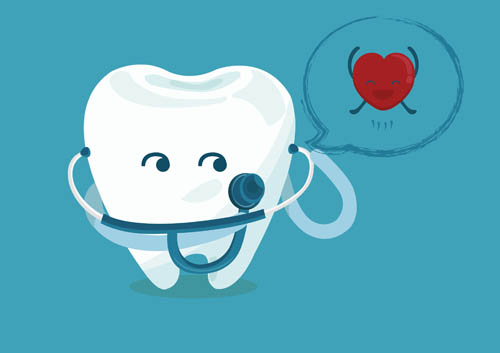
If you are like many people, you might think of your oral health as separate from your overall health. After all, most dental coverage plans are distinct from health care coverage. However, your oral health goes far beyond being able to chew nutritious and enjoyable foods. Oral health problems may be an indicator of a variety of other health problems.

Links between Oral Health and Overall Health

In the late 1980s, researchers noticed a trend among patients who had recently suffered from heart attacks. As the Journal of the American Dental Association reported, they observed that these patients were more likely to have dental caries or cavities, periodontitis or inflammation around the tooth, and other forms of gum disease. Later studies found similar results, and dentists and doctors now recognize poor oral health as a risk factor for a variety of heart conditions, such as heart attacks, atherosclerosis, and coronary heart disease.

There are even more links between oral health problems and overall health problems. Some individuals do not find out that they have Type 2 diabetes until a dentist sees that they have periodontitis. If you have diabetes, worsening periodontitis can indicate that your diabetes is not under control.

Poor oral health is also associated with rheumatoid arthritis. Furthermore, poor oral health puts you at higher risk for respiratory infections, such as pneumonia, because harmful pathogens can enter your body through your mouth.

Take Care of Your Teeth

Keeping your teeth healthy remains important, especially as you grow older. Older adults are more prone to dental caries and other oral health problems, as well as to chronic diseases. While taking care of your oral health might not prevent a specific disease, a healthy mouth is a significant factor in your overall health.

You can take care of your teeth by continuing to brush twice a day and floss every day. Avoid consuming too many sugary and starchy foods, and drink water after each meal or snack to rinse your teeth. See Dr. Carl Meyers for regular checkups, and contact Pioneer Dental if you have any concerns about your teeth or gums.

October is National Dental Hygiene Month: A simple oral health routine for your busy lifestyle

October 6th, 2015

Adults are no strangers to feeling like there is never enough time in the day to get everything done. Your alarm clock rings and within minutes you ping pong around trying to spread peanut butter on sandwiches, answer your cell phone, remove the dog hair from your clothes, and make sure your child has completed his or her science fair project. Brushing your teeth can easily fall to the wayside. That is why our office promotes a simple, daily oral health regimen that you can easily incorporate into your busy lifestyle.

The American Dental Hygienists' Association (ADHA), in partnership with the Wrigley Jr. Company, is celebrating National Dental Hygiene Month (NDHM) during October. The ADHA encourages people to "Brush. Floss. Rinse. Chew...Keep it Clean, Keep it Healthy!" and offers some great tips for a quick and effective home oral health routine, below:

Oral Health Routine at Home

  • Brushing your teeth twice daily is the most important thing you can do to diminish the accumulation of plaque and the potential for other oral problems such as cavities and gingivitis.
  • Flossing once daily removes plaque and food from beneath the gums and between teeth that brushing alone cannot remove. Tooth decay and gum disease often begin in these areas.
  • Rinsing your mouth with an antibacterial, non-alcohol based mouthwash kills plaque and gingivitis germs that brushing and flossing do not catch. We recommend using a mouthwash with the ADA Seal of Acceptance.
  • Chewing sugar-free gum helps produce saliva, which battles cavities. The gum also neutralizes plaque, strengthens enamel, and removes remaining food. It is especially important to chew gum after eating or drinking.

It's easy to put the toothbrush down in order to take care of matters you feel are more urgent, but remember, a good oral health routine at home is the best way to prevent periodontal disease. "Periodontal disease is the most common cause of tooth loss in adults. An estimated 75 percent of Americans reportedly have some form of periodontal disease," said the ADHA. Periodontal disease also is linked to more serious illnesses such as diabetes and stroke.

Also, remember to keep regular visits with our office. Dr. Carl Meyers can help you learn more about proper care for your teeth and gums.

I can't stop grinding my teeth! How can a dentist help?

September 29th, 2015

Dr. Carl Meyers will tell you that while you are sleep, your mouth may be very active. If you find yourself waking up with headaches, facial pain, neck aches, or a sore jaw, you may have tooth grinding, a condition we also call bruxism.

We see many people who experience some extent of tooth grinding, but a very small percentage of the population actually experiences symptoms severe enough to warrant visiting a doctor. If you continually experience any of the symptoms listed above, we encourage you to give us a call at our West Bend, WI office so that we may be able to diagnose and treat the problem.

The most common treatments include:

  • Reducing your stress level to help relax your jaw muscles and prevent grinding
  • A custom-made night guard to cushion your teeth and protect them from damage
  • Changing your eating habits. Coffee, tea, or alcohol before bed can increase your chance of nightly grinding
  • If your jaw or teeth are misaligned, Dr. Carl Meyers may also recommend a brace to decrease grinding.

Grinding your teeth can have serious consequences that, if left untreated, can lead to tooth fractures and damage to the TMJ (temporomandibular joint).

If you think your teeth may not be getting the rest they need at night, we encourage you to give us a call and schedule an appointment with Dr. Carl Meyers. Call us today!

docsAmerican Dental AssociationInvisalign

Services