January 27th, 2015
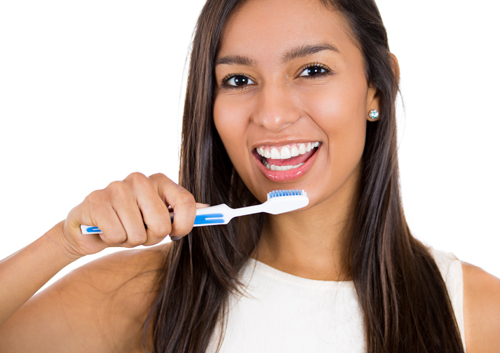
With so many toothpastes available in so many price ranges, it can be difficult to be sure you are selecting the right one for your needs. You need a product that not only protects against tooth decay, but also addresses any special concerns that Dr. Carl Meyers and our team have raised. Look for the American Dental Association seal and do some research to find the toothpaste that best meets your needs.
Choose a Product Approved by the American Dental Association
The American Dental Association approves dental products such as toothbrushes, dentures, mouthwashes, dental floss, and toothpastes when they meet certain quality standards. Before products can display the seal, the American Dental Association must verify that the product does what it claims to do. Look for the American Dental Association seal on the toothpaste package before you buy it. Also, check to make sure that the toothpaste contains fluoride, which helps protect against decay.
Consider Special Needs
You may be depending on your toothpaste to perform extra tasks beyond cleaning your teeth. These are some common concerns that the right toothpaste can address.
- Bad breath (halitosis)
- Sensitive teeth
- Plaque or gingivitis
- Tartar
- Yellowing teeth
The American Dental Association’s website has a tool that lets users input their requirements and view a list of the toothpastes that carry the American Dental Association’s seal and address those particular oral health needs.
Make Your Children’s Tooth-Brushing Experience Fun
If you select toothpaste that contains fluoride and has the American Dental Association seal, most types of toothpaste will be fine for your children as long as they have no special needs. Allowing your kids to select fun toothpaste can encourage them to enjoy the brushing experience more, so that they brush more frequently and do a better job.
The following toothpaste characteristics can make brushing more fun for children.
- Fun flavors, such as bubble gum, berry, and watermelon
- Sparkles and swirls that make the toothpaste appear more attractive
- Toothpaste that comes in a pump
- Toothpaste with a container decorated with superheroes
January 20th, 2015

Toddlers are notoriously balky about strangers. But their first dental visit should not be cause for fear and tears. Nor should you assume that getting your toddler to Pioneer Dental is going to involve a full-blown tantrum or Mafia-style bribery. “Honey, don’t worry. We’ll go get ice cream after…” sort of defeats the purpose of making that first dental appointment.
These five tips will make your toddler’s trip to see Dr. Carl Meyers as fun as a stop at an amusement park.
1. Before you make a dental appointment for your child, take him or her on a ride-along to one of your dental appointments. Let your son or daughter experience the office and get the lay of the land. Toddlers don’t like surprises. But if your little one is already familiar with the big chair that goes up and down, the next time he or she will have no problem taking a seat.
2. About the big dental chair … well, it’s really an amusement park ride. See how it goes up and down? Toddlers love games, and turning the trip to the dentist into a game is among the oldest (and most successful) tricks in the parent playbook.
3. Positive reinforcement is a good thing. That's why Dr. Carl Meyers and our staff hand out cool toothbrushes or stickers to children after their appointment. A fun-colored toothbrush with a suction bottom is a good incentive to come back for another cleaning.
4. Timing is everything. Don’t take your child to the dentist an hour before the daily nap. Make the appointment with your child’s schedule in mind. This increases the chances of success.
5. A few days before the scheduled appointment, start reading your toddler bedtimes stories about what happens at the dentist. Dora the Explorer’s Show Me Your Smile, written by Christine Ricci, is a popular dental story that your child might relate to.
January 13th, 2015

When you were a kid, your parents may have told you to drink milk to build strong bones and grow tall and strong. Now that you have children of your own, you may hear yourself parroting those instructions you received years ago. Getting enough dairy is essential for young children whose teeth are growing. A child who consumes the recommended daily serving of dairy will develop healthy, strong teeth for the rest of his or her life.
So, which foods are the best in terms of acquiring the right amount of calcium? Milk and other dairy products are excellent sources of calcium. Milk also contains vitamin D, phosphorus, magnesium, and proteins. Magnesium promotes calcium deposits in your enamel, while phosphorus forms a small but important barrier against acidic foods that cause cavities. Vitamin D and protein are used by a child’s body to build bone tissue and maintain dental health.
According to a recent study, the majority of Americans, including children, do not receive enough calcium. In fact, according to the Academy of General Dentistry, only one in five children meets even the minimum standards for calcium consumption. The U.S. Department of Agriculture recommends that children under the age of eight should receive two and a half cups of dairy per day. Children older than eight need three full cups, the same as adult men and women. In addition to milk, eating yogurt is a great way your child can increase his or her dairy consumption. Drinking sugary beverages in place of milk causes cavities and tooth decay.
If your child does not get enough dairy consumption, they run the risk of improper tooth development and other dental health problems. Dr. Carl Meyers and our team at Pioneer Dental encourage you to monitor your child’s dairy consumption to ensure he or she grows healthy teeth to last a lifetime.
Questions? Give us a call at our West Bend, WI office!
January 6th, 2015

At Pioneer Dental, we are well-aware of the 25 million Americans who fear having to visit the dentist. Dental phobias are known to range anywhere from feeling mildly nervous to experiencing sweaty palms and even a racing heartbeat upon entering a dentist’s office. This anxiety can sometimes be so severe that it prevents people from visiting a dentist for years, postponing dental procedures that often result in costly problems down the road.
For those of our patients who have dental anxiety or dental phobia, it may be time to look into sedation dentistry, a safe and effective option for patients who are anxious or afraid, have a bad gag reflex, limited jaw opening, or for those who have a difficult time getting numb.
Sedation dentistry, a term that we use to refer to the use of anesthesia during treatment to put patients into a relaxed state, comes in many forms of sedation, from simply easing anxiety, to “conscious sedation,” which places patients in what we call a “twilight sleep.” Sedation dentistry at our West Bend, WI office allows our patients to drift through their appointments—including complex dental work—as well as feel completely relaxed throughout their visits, without any discomfort or pain. Sedation dentistry can turn a nerve-wracking visit into a comfortable and enjoyable one.
Dr. Carl Meyers and our team will be more than happy to discuss any concerns, issues, or fears you may have before or during your visit, and will be able to tell you if you are a candidate for sedation dentistry.
By talking with Dr. Carl Meyers about sedation dentistry, you can feel more comfortable and relaxed during your next visit to Pioneer Dental. Give us a call today!