
Our Blog

New Year's Eve

December 30th, 2014

Watching the clock tick down the final seconds until midnight, many of us- Pioneer Dental included- feel nostalgic about the passing year and hopeful about the new one to come. New Year’s Eve is one of the most widely celebrated holidays in the world, with over-the-top celebrations taking place in dozens of countries. The Gregorian calendar, which is widely used in Western nations and around the world, was implemented in 1582. Since that time, December 31st has marked the final day of the year, with midnight heralding the beginning of a brand new year. In the United States, New Year’s Day is a public holiday; government offices, schools, public organizations, and many businesses are closed for the day. Ponder the following fun facts as you think about your plans for the holiday:

  • Approximately one billion people watch the New Year’s Eve ball drop in Times Square, New York City. This televised event is one of the most iconic New Year’s celebrations in the world. For many years, watching the ball drop meant tuning in to Dick Clark’s Rockin’ New Year’s Eve, an iconic television special dear to the hearts of many viewers.
  • The idea for the New Year’s Eve ball came about because of a citywide ban on fireworks. Before 1907, when fireworks became illegal in New York City, celebrations included an elaborate fireworks show. The large, glittering, illuminated ball was developed as an alternative. Although the first ball was heavy at 700 pounds, the modern New Year’s Eve ball is made of Waterford crystal and tips the scale at six tons!
  • The top five New Year’s resolutions are: to lose weight, quit smoking, get a new job, return to school, or increase personal savings. However, approximately 88% of New Year’s resolutions fail. But don’t let that discourage you! Resolutions are most likely to succeed when they are clear, achievable goals. Setting out a concrete plan to achieve your resolution also boosts your chances of success.
  • Eating black-eyed peas on New Year’s Day is said to bring good fortune in the new year. Collard greens, cabbage, and ham hocks are also considered lucky foods to enjoy. Just steer clear of the chicken or turkey dinners; eating poultry is a bad omen for the year to come.

Whether you plan to stay in West Bend, WI, or head out into the crowds to watch the ball drop in Times Square, New Year’s Eve is a time to enjoy friends and family. Send your loved ones well wishes for the New Year, and look for that special someone to share a midnight kiss with for good luck!
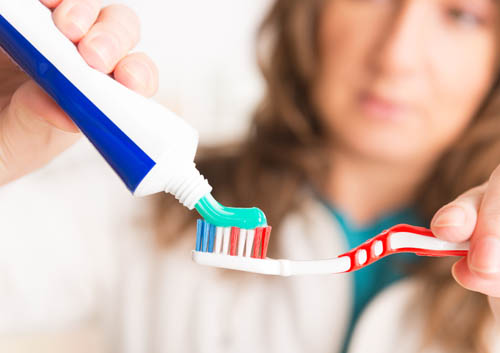

What type of toothpaste is right for you?

December 23rd, 2014

Toothpaste no longer comes in simple choices of fluoride and fresh breath. Paste is not even the only option! You can choose gel forms and even some with ribbons of color and flavor. With so many varieties available, it may be difficult to know which features or combinations of ingredients are best for your mouth. Dr. Carl Meyers and our team are here to help!

Fluoride

The majority of all dental patients should use toothpaste with fluoride. Fluoride helps to strengthen the enamel on your teeth; it makes them stronger and more resistant to cavities. Even if you live in an area that adds fluoride to your drinking water, the fluoride protection in toothpaste is necessary.

Some individuals can have an allergic reaction to fluoride. Fluorosis can occur in children or adults that swallow too much toothpaste while brushing. If swallowing cannot be prevented, fluoride use should be reduced. The American Dental Association has updated guidelines that recommend fluoride be used as soon as the first teeth erupt in children. However, the amount should be minimal and swallowing should be prevented.

Sensitivity Protection

If your teeth are sensitive to temperatures, toothpaste with sensitivity protection can work wonders for your discomfort. Ingredients in these pastes or gels work to block the pathways to the nerves that react to hot or cold. Do not give up on this type of toothpaste after a few days; the full results may take a few weeks.

Plaque, Tartar, and Gingivitis Protection

Everyone has bacteria in his or her mouth, and this bacteria is normal. Unfortunately, some bacteria also cause plaque. If the plaque remains on your teeth, it hardens into tartar or calculus. Tartar is an almost cement-like substance that cannot be removed by brushing alone. When bacteria and tartar are left behind, the deposits will form under the gum line. This leads to gingivitis and gum disease.

Since there is a wide variety of toothpastes and ingredients for preventing tartar and gingivitis, ask Dr. Carl Meyers and our staff what the best choice is for your teeth. We can help you select the right combination of ingredients.

Whitening

White teeth are desirable, and manufacturers are heavily marketing whitening toothpastes. Most brands do not contain bleaching ingredients; they use abrasives to polish stains away. Unfortunately, too much abrasive use can be damaging to your teeth. If you’re interested in teeth whitening, our West Bend, WI team can recommend a number of safe and effective options.

Feel free to ask Dr. Carl Meyers and our staff at Pioneer Dental about the best choice in toothpaste to meet your individual needs. Remember to look for the ADA approval seal on any toothpaste you are considering.

Xerostomia: What does that mean anyway?

December 16th, 2014

Does your mouth always feel like it’s dry? If it does you may be suffering from xerostomia. Xerostomia is defined as dry mouth resulting from reduced or absent saliva flow. There are various medical conditions that can cause this type of dry mouth, which you can ask more questions next time you visit us at Pioneer Dental.

Xerostomia can factor into both minor and more serious health problems. It can affect the ability to eat and enjoy food and it can jeopardize one’s dental health. Some of the more common symptoms can include sore throat, burning sensation in the oral cavity or tongue, and difficulty swallowing.

One of the more serious problems associated with dry mouth is an increased risk of tooth decay. Decrease in saliva causes more plaque to form and there is less saliva to act as a buffer to the things we eat and drink. Less saliva also means more food debris is retained in the mouth. These things can lead to an increase in tooth decay.

So, what causes xerostomia?

There are several things that may cause xerostomia. Among the biggest culprits are prescription medications. Some examples are antihistamines, antidepressants, anti-hypertensives, anti-anxiety agents, anti-diarrheals, bronchodilators, and muscle relaxers.

Certain diseases can also cause dry mouth. The more common ones include rheumatoid arthritis, lupus, diabetes, hypertension, and thyroid disease. Xerostomia is also common in patients being treated for cancer. Head and neck radiation as well as certain chemotherapy drugs can cause severe dry mouth.

What should you do if you are experiencing dry mouth symptoms? First make sure to hydrate with plenty of water. If you are taking medications that cause xerostomia, make sure to drink water before taking the medication as well as a full glass of water with the medication. Be diligent with brushing and flossing and discuss your condition at your next appointment with Dr. Carl Meyers. We can recommend specific products to help moisten the oral cavity and reduce your symptoms such as saliva substitutes, xylitol products, and certain toothpastes. Another option may be a prescription home fluoride treatment to help prevent new cavities. You may want to try gum or candies to stimulate saliva flow but make sure they are sugar free! Avoid food and beverages that dehydrate such as caffeine and alcohol.

Xerostomia is a common problem that is currently on the rise. Our team can help you to reduce any symptoms and improve your comfort while living with a dry mouth. Contact our West Bend, WI office today!

Early Detection is Key to Treating Oral Cancer

December 9th, 2014

Every hour of every day, someone in North America dies of oral cancer, the sixth most common diagnosed form of the disease. The five-year survival rate is only 50 percent, and oral cancer is one of the few cancers whose survival rate has not improved.

This grim statistic may make you think that oral cancer is a particularly deadly form, when in fact the high death rate has more to do with how late in its development oral cancer is detected. Routine screening is the key to early detection and survival, and in our continuing efforts to provide the most advanced technology and highest quality care available to our patients at Pioneer Dental, we proudly screen our patients for oral cancer.

So, who’s at risk for oral cancer?

Anyone can develop oral cancer, but some people are at a higher risk. These high-risk groups include those over the age of 50 and men, who are twice as likely as women to develop the disease. Smoking or chewing smokeless tobacco products, consuming alcohol excessively, and constant exposure to the sun at a young age are also risk factors.

How is oral cancer detected?

Dr. Carl Meyers and our team at Pioneer Dental suggest our patients perform a monthly self-examination to check for unusual red or white patches, sores, lumps, or thickenings anywhere inside the mouth, on the lips, or in the throat and neck area.

We encourage you to give us a call at our convenient West Bend, WI office if you find any of these symptoms or if you have trouble swallowing or experience a chronic sore throat and hoarseness. During your visit, Dr. Carl Meyers will inspect the oral tissues and neck to determine if abnormalities are present.

What happens if oral cancer is detected?

If we discover abnormal tissues during your visit, a biopsy will be required. The results from the biopsy will be sent to a laboratory to determine if the cells are cancerous or precancerous. If a diagnosis of cancer is made, surgery, as well as treatment such as chemotherapy or radiation may be necessary. Dr. Carl Meyers and our team will work closely with your oncologist and other members of your medical team to ensure that you achieve the best possible oral health care both during and after treatment.

Finding out you have oral cancer can be devastating news. If you are concerned that you might be at risk for developing oral cancer, talk to us about screenings and other things you can do to reduce your risk. Through a routine visual inspection, Dr. Carl Meyers and our team at Pioneer Dental can often detect premalignant abnormalities and cancer at an early stage when treatment is both less expensive and more successful, and can potentially save your life. Ask us about a screening during your next visit!

docsAmerican Dental AssociationInvisalign

Services